
Organisations looking to deliver projects that help to protect vulnerable wildlife and their habitats on the Suffolk coast are being reminded of the grant funding that’s available from Wildlife Wise.
Applicants can seek up to £5,000 to help ground nesting birds to breed and to allow sensitive wildlife habitats to flourish without disturbance from visitors. The funding can also be used to manage public access on the coast.
The types of projects that could be funded include implementing new signage, improving or rerouting paths, making car parking changes and improvements, or creating small areas of fencing to protect wildlife and their homes.
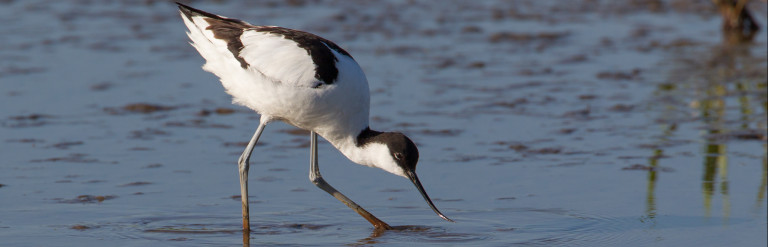
An example of a project that recently benefitted from this funding was led by the RSPB on Kessingland Beach to help protect ground nesting little terns, avocets, ringed plovers and oystercatchers. With the birds being sensitive to disturbance, a grant was given for the replacement and improvement of a small area of seasonal fencing, to be erected each spring before the birds arrive. This grant-funded fencing was supported by seasonal signs, along with regular monitoring and engagement with the public by Wildlife Wise rangers and RSPB staff and volunteers. As a result, the rare birds have been able to breed safely and rear chicks.
Sam Kench, Wildlife Wise Delivery Manager said: “Birds that nest on the ground are so sensitive to disturbance, that on beaches with lots of visitors and no fencing to protect them, the birds are rarely successful. Even one disturbance event from a person or dog getting too close can result in many nests failing at once. Chicks and eggs might be trampled accidentally, or they become vulnerable to the cold and predators with the adults scared off the nests.”
The work at Kessingland, led by the RSPB and supported by Wildlife Wise, to give the birds protection with the support of the local community, resulted in exceptional numbers of fledged chicks in 2025.
Typically, anything over 0.75 chicks fledging per pair each year is considered enough to support a population increase. By giving these rare birds, a safe, fenced off zone on Kessingland Beach, accompanied by excellent visitor engagement, the project in 2025 resulted in 26 avocets successfully fledging (1.73 chicks per adult pair), at least 8 little tern chicks (1.67 chicks per pair), and at least 10 ringed plover chicks (0.83 chicks per pair).
Sam said: “With incredible numbers of successfully fledged birds like this, from a low-cost project, we are so enthusiastic about what out grants can achieve. With funding still available, we are calling for our partners to get in touch to see if their project can benefit from it. Whether it’s to solely fund something that can help protect vulnerable species and their habitats, or it’s to match fund a larger project, we are asking organisations to get in touch to explore how we can make a lasting impact together.”
The Wildlife Wise Project Fund supports priorities within the Suffolk Coast Recreational Disturbance Avoidance and Mitigation Strategy.
For more information, please contact info@wildlifewise.co.uk